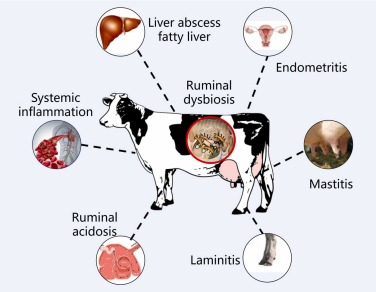
Ruminant diseases covers the structural, functional, and morphological changes caused by diseases in domestic and wild ruminants (cattle, sheep, goats, buffalo, and deer). It bridges the gap between basic veterinary sciences and clinical production medicine.
The primary goal of this course is to equip students with the skills to recognize, interpret, and diagnose diseases affecting ruminants based on structural lesions. By analyzing tissue abnormalities at both macro (gross) and micro (histopathological) levels, students will understand the development (pathogenesis) of production-limiting and fatal ruminant conditions.
By the end of this course, students will be able to:
- Perform standard diagnostic necropsies (autopsies) safely on large and small ruminants.
- Identify gross lesions in various organ systems and formulate morphological diagnoses.
- Correlate clinical signs with pathological findings and determine the cause of death.
- Collect and preserve tissue samples correctly for laboratory analysis (histopathology, bacteriology, toxicology)
- Créateur de cours: yacer douadi