الخطوط العريضة للقسم

    • Introduction

      Once learners' needs and course goals are identified, the next step in course design is selecting appropriate content and structuring it into a well-organized syllabus. Content selection involves choosing relevant topics, materials, and activities that align with the course objectives and address learners' needs. A syllabus, on the other hand, serves as a roadmap that outlines the structure of the course, guiding both teachers and learners throughout the learning journey. This lesson will explore the principles of content selection and the different types of syllabi used in TEFL.

      Objectives

      By the end of this lesson, students will be able to:

      • Understand the principles behind content selection in TEFL.

      • Differentiate between various types of syllabi.

      • Apply content selection strategies to design a syllabus.

      • Develop a sample syllabus outline for an English language course.

    • 1 Principles of Content Selection: When selecting content, instructors should consider:

      • Relevance: Content should align with learners' needs and course objectives.

      • Sequencing: Organize content from simple to complex, ensuring a logical progression.

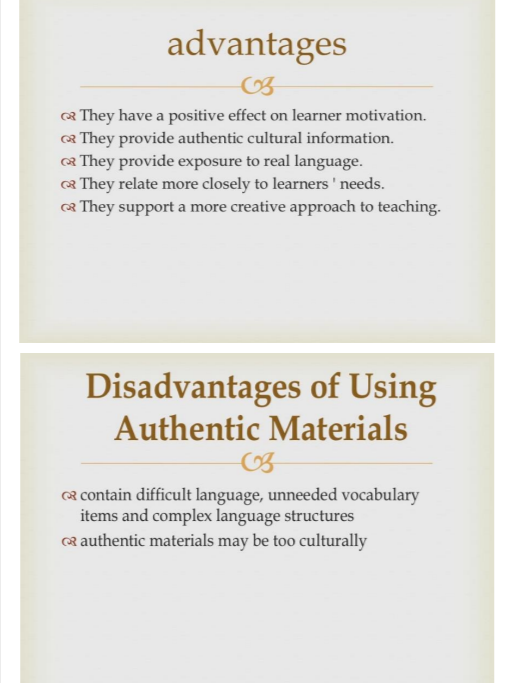
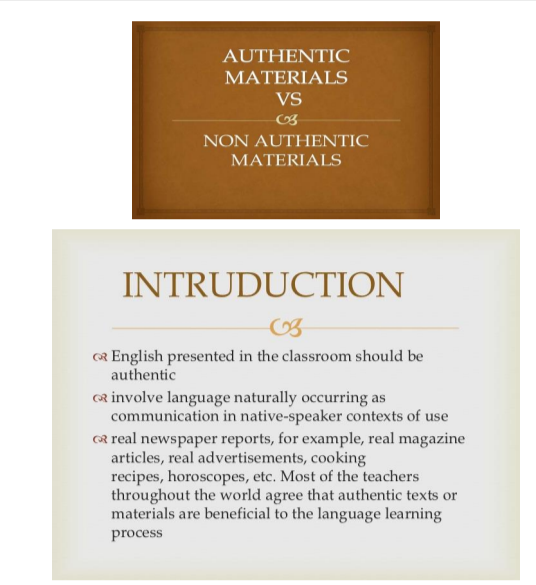
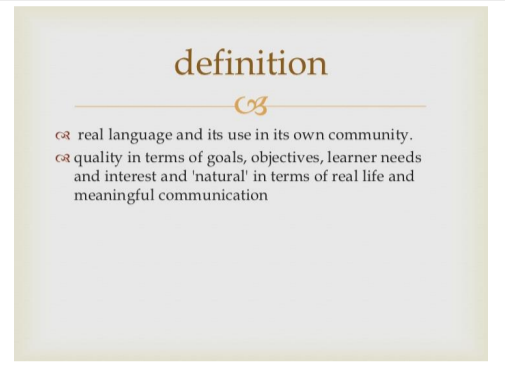
      • Authenticity: Include real-world materials such as news articles, podcasts, or interviews.

      • Variety: Incorporate diverse topics and activities to maintain engagement.

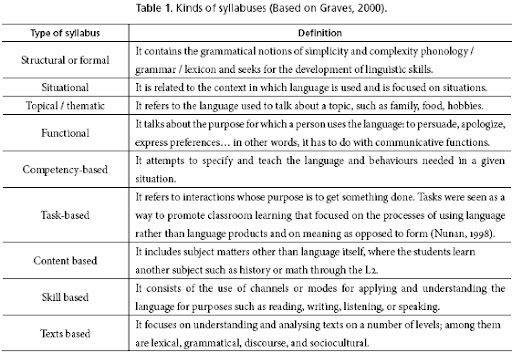
      2 Types of Syllabi:

      • Grammatical/Structural Syllabus: Focuses on teaching grammar rules in a sequential manner.

      • Lexical Syllabus: Emphasizes vocabulary acquisition.

      • Functional Syllabus: Organizes content around language functions (e.g., making requests, giving opinions).

      • Task-Based Syllabus: Centers on completing meaningful tasks using the target language.

      • Content-Based Syllabus: Integrates language learning with subject-specific content (e.g., English for Science).

      • Mixed/Hybrid Syllabus: Combines elements of different syllabus types to create a balanced course.

      3 Steps in Syllabus Design:

      • Identify course objectives.

      • Choose the syllabus type based on learners' needs.

      • Select and sequence content accordingly.

      • Develop lesson plans and activities.

      • Plan assessment methods.

      • Review and revise the syllabus as needed.

    • http://www.scielo.org.co/scielo.php?script=sci_arttext&pid=S1657-07902009000100002

    • Authentic Vs Non Authentic Materials

      Example

      syllabus design ELT EXAMPLE

      Task: Create a syllabus outline for a four-week English course focused on improving speaking skills. Include:

      • Course title and objectives.

      • Syllabus type.

      • Weekly topics and activities.

      • Assessment methods.

      Submit your syllabus outline along with a brief justification for your content choices to your teacher via email or through the forum section.

    • Here is a short presentation on the difference between Authentic Vs Non-Authentic Materials in ELT course Design.
      !

      !

      !

      :