a quoi cert incoterms?
الخطوط العريضة للقسم
-
-
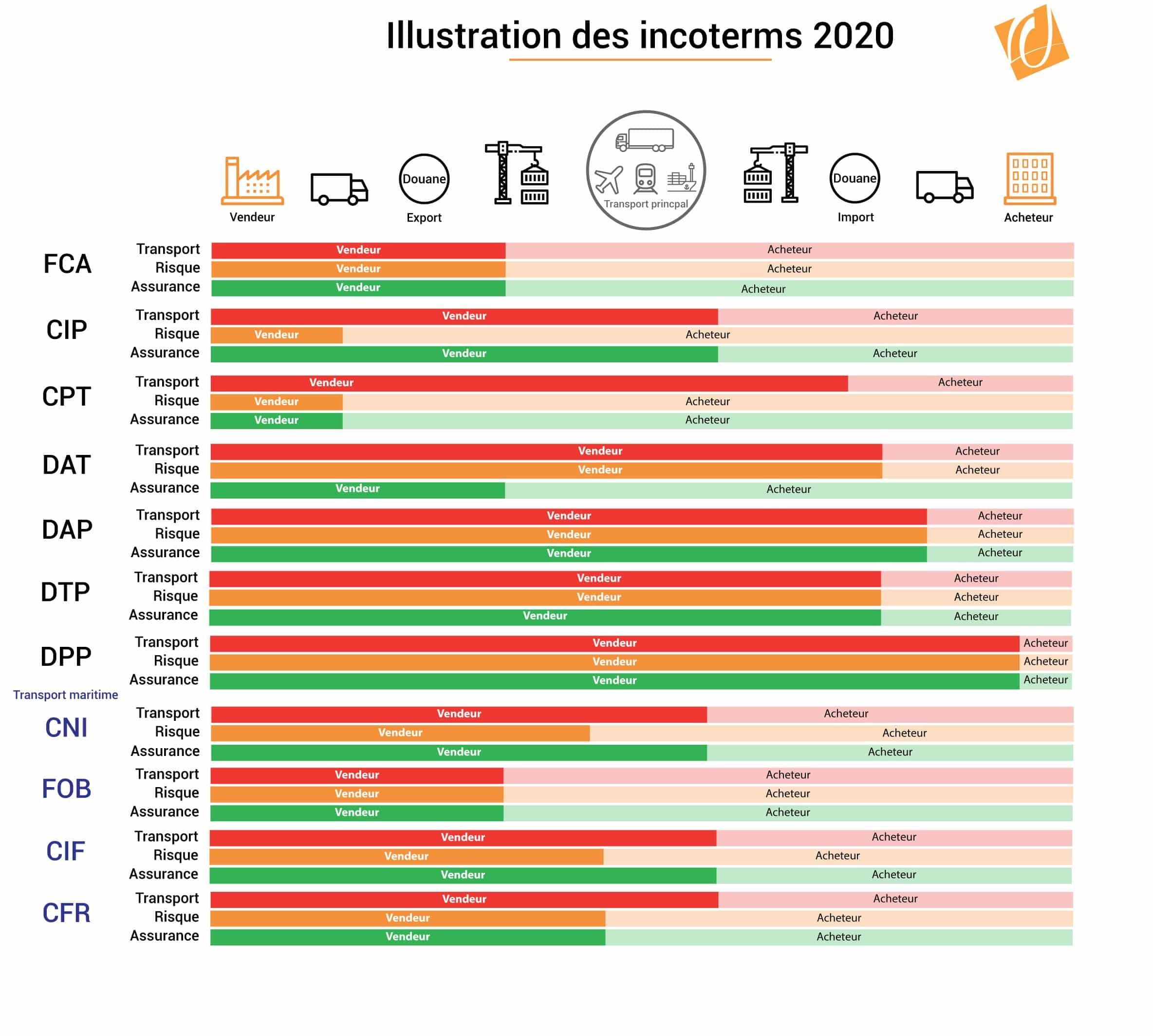
Incoterms, short for **International Commercial Terms**, are a set of globally recognized rules that define the responsibilities of buyers and sellers in international trade. Established by the **International Chamber of Commerce (ICC)**, these terms clarify various aspects of shipping and delivery, including:
- **Transfer of Risk**: When does the responsibility for the goods shift from the seller to the buyer?
- **Cost Allocation**: Who is responsible for transportation costs, insurance, and other expenses?
- **Delivery Points**: Where must the goods be delivered?Incoterms are not legally binding unless included in a sales contract, but they provide a standardized framework that helps prevent misunderstandings in international transactions. The latest version, **Incoterms 2020**, includes 11 terms that are applicable to different modes of transport, with some terms specifically designed for maritime transport.
### Key Incoterms (2020)
1. **EXW (Ex Works)**: The seller makes the goods available at their premises; the buyer assumes all risks and costs from that point.
2. **FCA (Free Carrier)**: The seller delivers goods to a carrier chosen by the buyer at a specified location.
3. **CPT (Carriage Paid To)**: The seller pays for transportation to a specified destination, but risk transfers to the buyer upon delivery to the carrier.
4. **CIP (Carriage and Insurance Paid To)**: Similar to CPT, but the seller also provides insurance.
5. **DAP (Delivered at Place)**: The seller is responsible for all costs and risks until the goods are delivered at a specified location.
6. **DPU (Delivered at Place Unloaded)**: The seller delivers and unloads the goods at a specified destination.
7. **DDP (Delivered Duty Paid)**: The seller assumes all costs and risks until the goods are delivered and cleared for import.For sea transport, additional terms include:
- **FAS (Free Alongside Ship)**
- **FOB (Free on Board)**
- **CFR (Cost and Freight)**
- **CIF (Cost, Insurance, and Freight)**These terms help facilitate smooth transactions by providing clarity on each party's obligations and minimizing potential disputes during shipping processes[1][2][4][6].
Citations:
[1] https://www.time-matters.com/emergency-logistics-glossary/incoterms/
[2] https://www.ups.com/us/en/supplychain/resources/glossary-term/incoterms.page
[3] https://en.wikipedia.org/wiki/Incoterm
[4] https://www.investopedia.com/terms/i/incoterms.asp
[5] https://www.xeneta.com/blog/incoterms
[6] https://www.acerislaw.com/incoterms-in-international-trade/
[7] https://www.dhl.com/nl-en/home/global-forwarding/freight-forwarding-education-center/incoterms-explained.html
[8] https://www.lloydsbank.com/business/resource-centre/business-guides/incoterms.html -
-
-