- Créateur de cours: Mohammed TITAOUINE
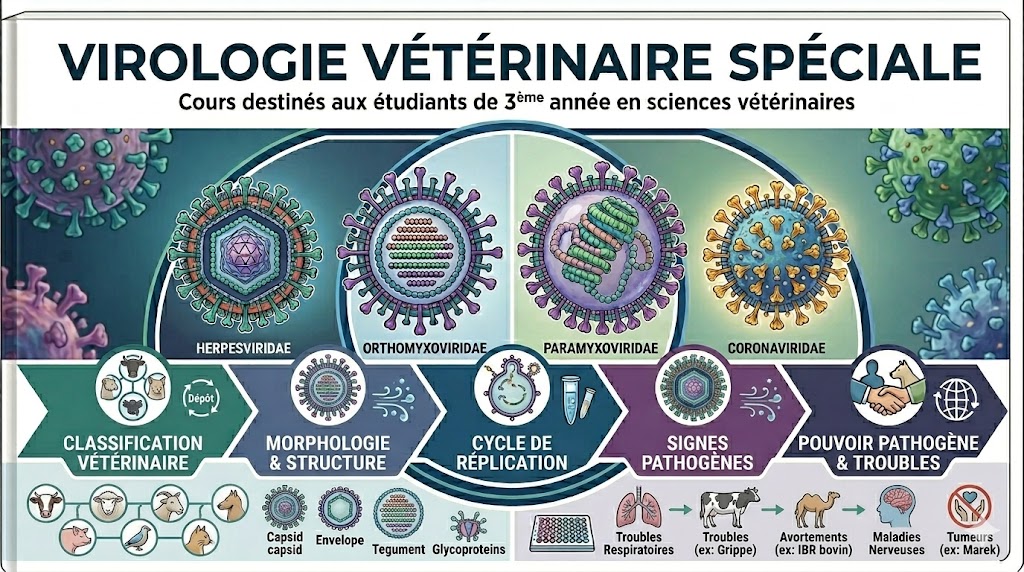
Le cours de Virologie Spéciale est destiné aux étudiants de 3ème année en sciences vétérinaires. Il vise à approfondir les connaissances acquises en virologie générale en mettant l’accent sur les virus d’intérêt vétérinaire et leur impact sur la santé animale et la santé publique.
Ce cours traite des principales familles virales affectant les animaux, en abordant leurs caractéristiques structurales, leur cycle de réplication, leur pouvoir pathogène ainsi que les maladies qu’elles engendrent.
Une attention particulière est portée aux aspects épidémiologiques, aux modes de transmission, aux techniques de diagnostic virologique (PCR, isolement viral, sérologie) et aux stratégies de prévention et de contrôle, notamment la vaccination et les mesures de biosécurité.
- Créateur de cours: radja zineddine
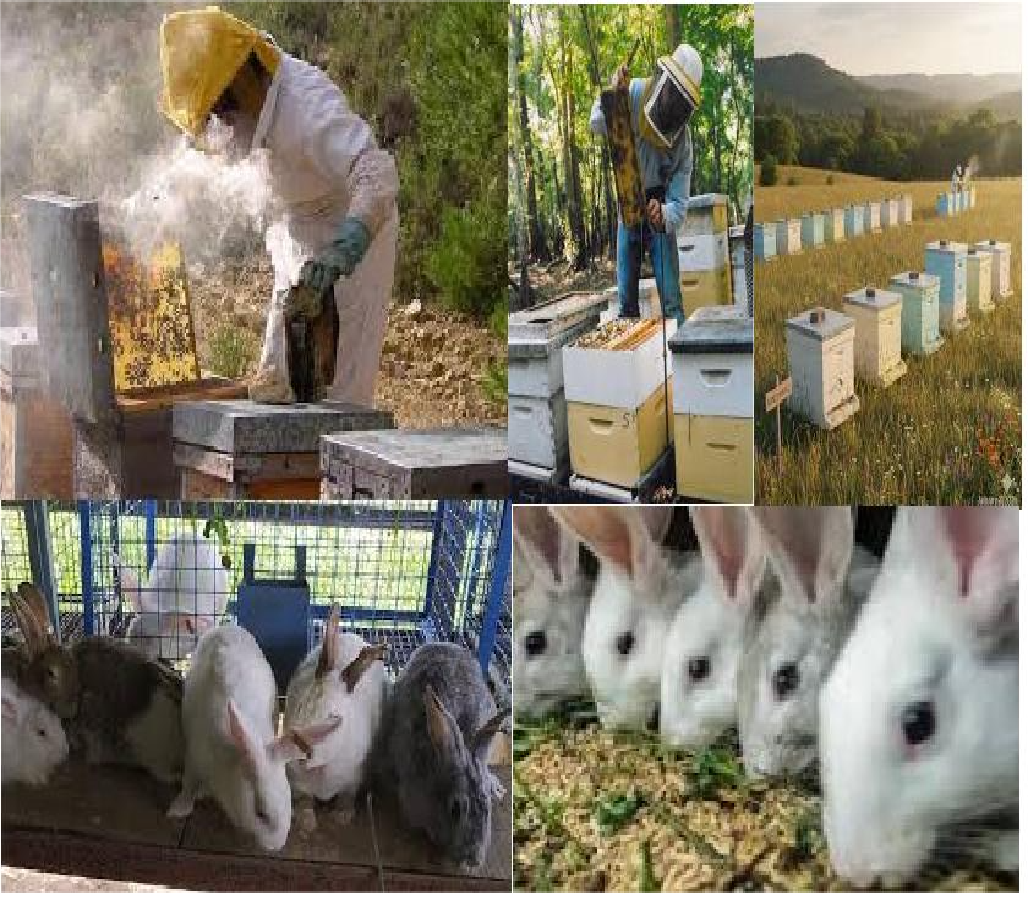
The aim of this course is to provide veterinary students with a solid understanding of the biological, zootechnical, and health management principles governing small-scale livestock production systems. Students will learn to assess animal welfare, nutrition, reproduction, and housing conditions in the context of smallholder and family farms. The course also develops diagnostic and advisory skills, enabling future veterinarians to identify and address common pathological and productivity-related issues in these settings. Emphasis is placed on the economic and social dimensions of small-scale farming, preparing students to interact effectively with farmers and rural communities. Ultimately, the training aims to produce competent veterinary practitioners capable of contributing to the improvement of animal production, food security, and rural development.
- Créateur de cours: yacer douadi
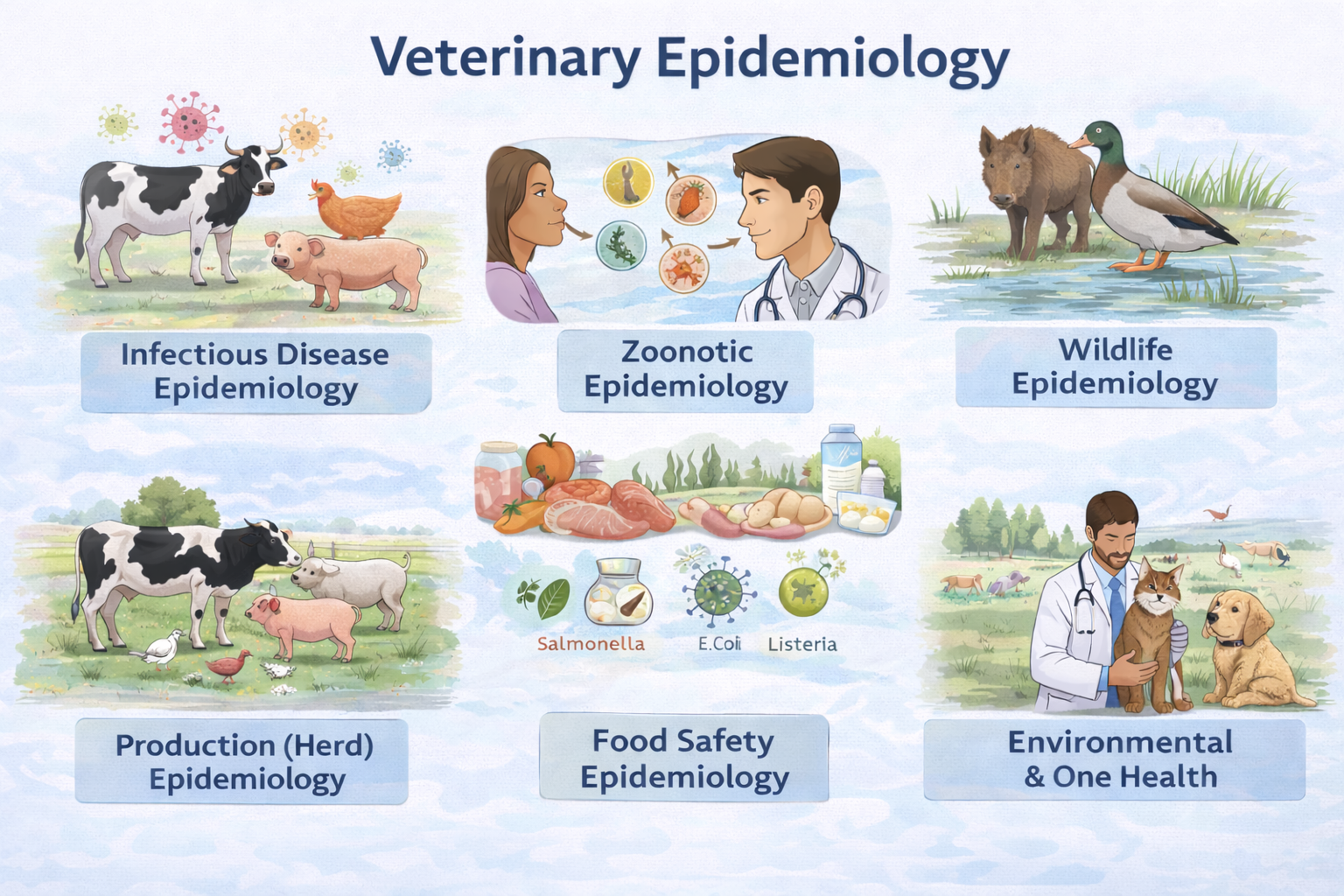
Epidemiology module is a course unit destined for 3rd-year veterinary sciences students that teaches the principles and methods used to study the distribution and determinants of diseases in animal populations.
- Créateur de cours: mohamedwalid hamlaoui
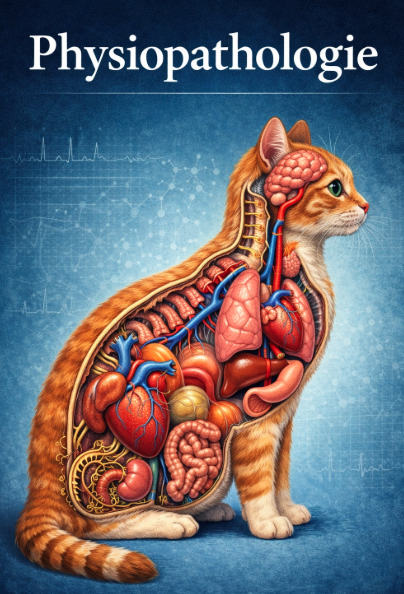
La physiopathologie spéciale, chez l’humain comme chez l’animal, est une science qui étudie les mécanismes des maladies propres à chaque organe ou système. Elle s’intéresse aux perturbations fonctionnelles et structurelles qui apparaissent lorsque le fonctionnement normal de l’organisme est altéré.
Cette discipline permet de comprendre comment ces perturbations sont à l’origine des signes cliniques et des symptômes observés au cours des maladies. Elle établit un lien entre la cause de l’affection, les mécanismes biologiques impliqués et leurs conséquences sur l’organisme.
La physiopathologie spéciale constitue ainsi une base essentielle pour comprendre, diagnostiquer et traiter les affections, aussi bien en médecine humaine qu’en médecine vétérinaire.
- Créateur de cours: meriem mekroud
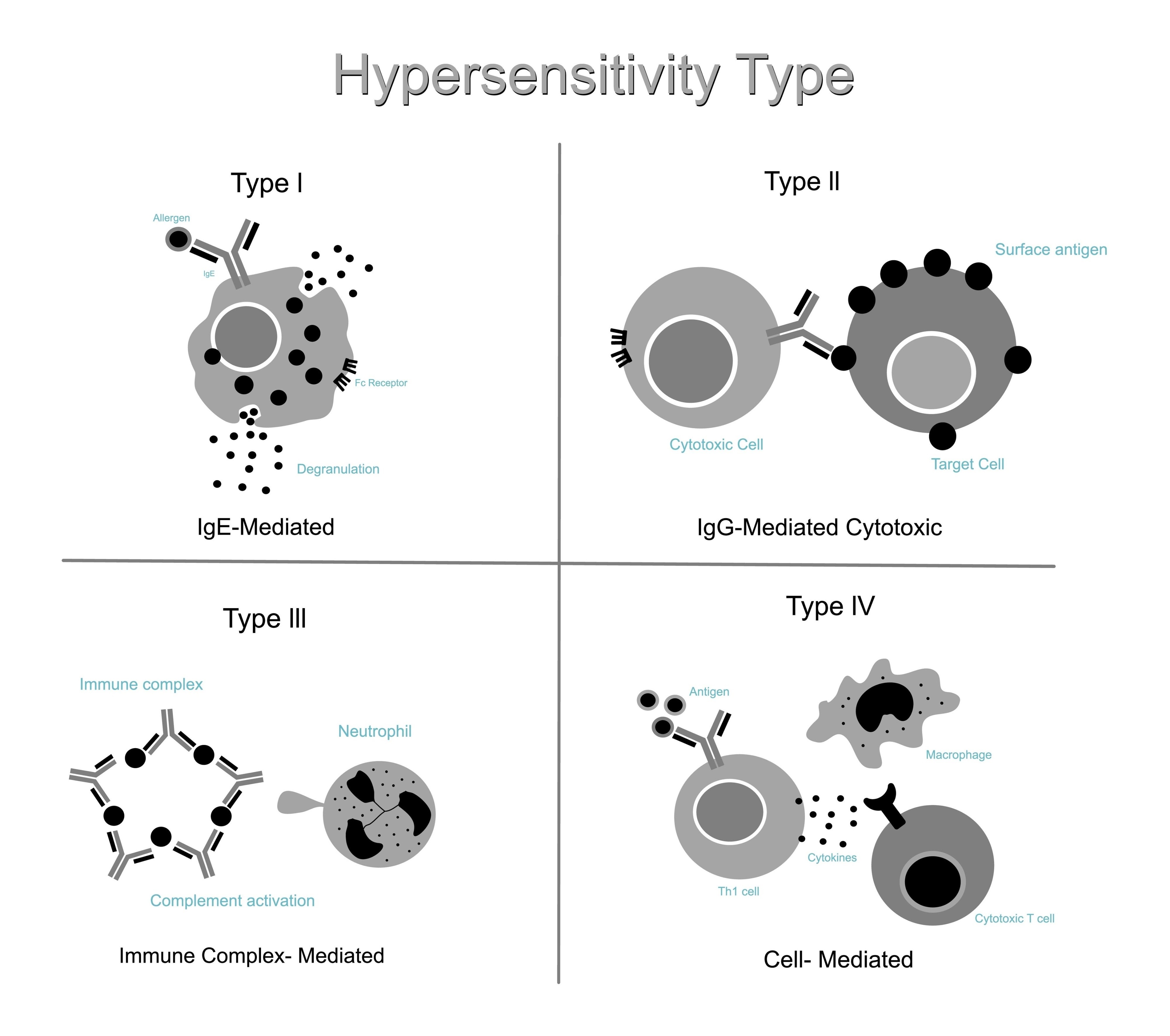
The ImmunoPathology module serves as a critical bridge between basic immunology and clinical veterinary medicine. While previous courses focused on how a healthy immune system protects the host, this module explores what happens when that system malfunctions or becomes dysregulated. Students will examine the complex interactions between the immune system and tissues, focusing on how immune responses can inadvertently cause injury and disease in various animal species. This course provides the foundational understanding necessary to recognize that the immune system can be a double-edged sword—essential for survival but also a potential source of severe pathology.
The primary objective of this module is to provide students with a deep understanding of the pathogenesis of immune-mediated diseases. Students will study the four major types of hypersensitivity reactions (allergies, cytotoxic reactions, immune complex disorders, and delayed-type hypersensitivity) and the mechanisms behind autoimmunity, where the body attacks its own tissues.
- Créateur de cours: abdeldjalil dahmane