Anatomic pathology relates to the processing, examination, and diagnosis of surgical specimens by a physician trained in pathological diagnosis. Clinical pathology involves the laboratory analysis of tissue samples and bodily fluids; procedures may include blood sample analysis, stool sample analysis, and analysis of spinal fluid. Clinical pathologists may specialize in a number of areas, including blood banking, clinical chemistry, microbiology, and hematology.
- Créateur de cours: fadjeria yaacoub
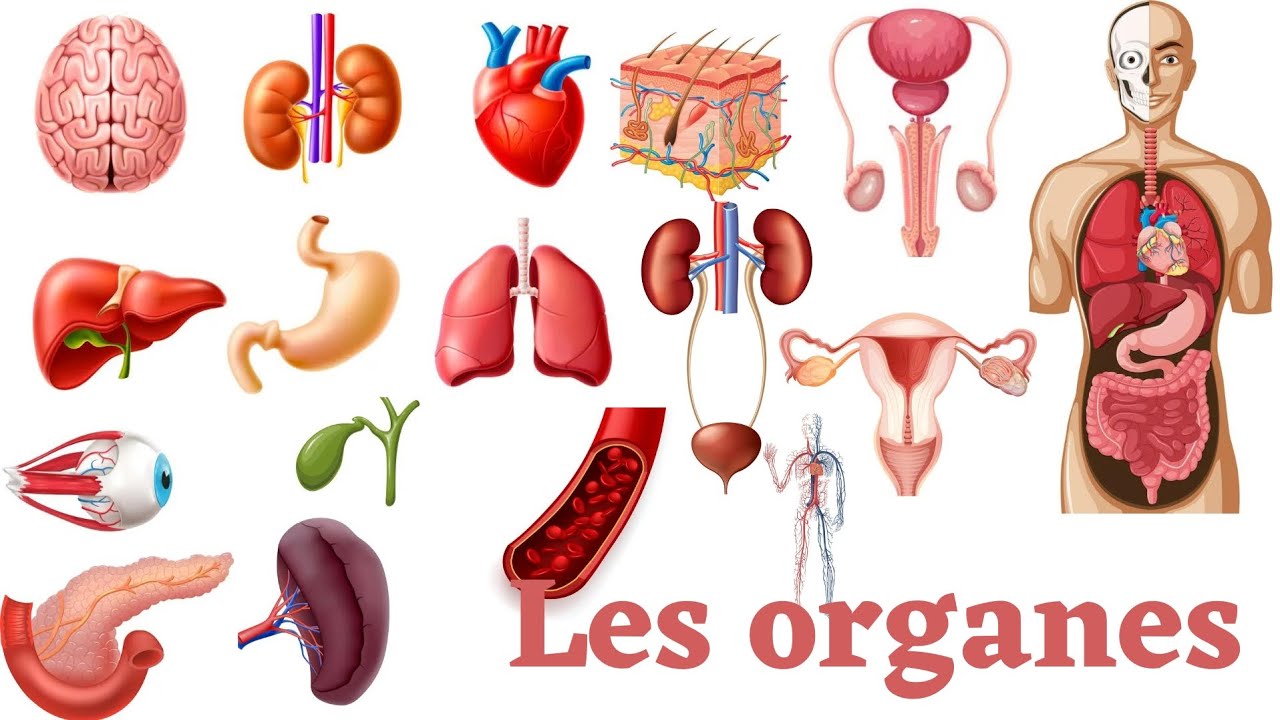
The physiology of major functions program in the 3rd year of the Bachelor's degree (L3) in biology/natural sciences focuses on the integrated understanding of homeostatic mechanisms. It addresses the circulatory (cardiac and vascular), respiratory, renal and digestive systems, including gas transport, acid-base balance and blood pressure regulation. So, we have 5 chapters:
Chapter I: The Inner Environment and the Blood: Liquid compartments, role of the figurative elements and haemostasias.
Chapter II: Cardiovascular System: Functional anatomy of the heart, cardiac cycle (filling, contraction, ejection), systemic/pulmonary circulation, blood pressure regulation.
Chapter III: Respiratory System: Anatomy, gas exchange (O2/CO2), ventilatory mechanics, nervous regulation and safety reflexes.
Chapter IV: Renal system: Functioning of the nephron, filtration, reabsorption, secretion, regulation of the hydro-electrolyte and acid-base balance.
Chapter V: Digestive System: Mechanisms of digestion and nutrient absorption.
- Créateur de cours: nadjat bebba