- Créateur de cours: Houria Athmani

Biostatistics is a scientific field that applies statistical science to medicine.
- Créateur de cours: lakhdari Imad eddine
- Créateur de cours: Nadjette OUAMANE
- Créateur de cours: Hayat Aouragh
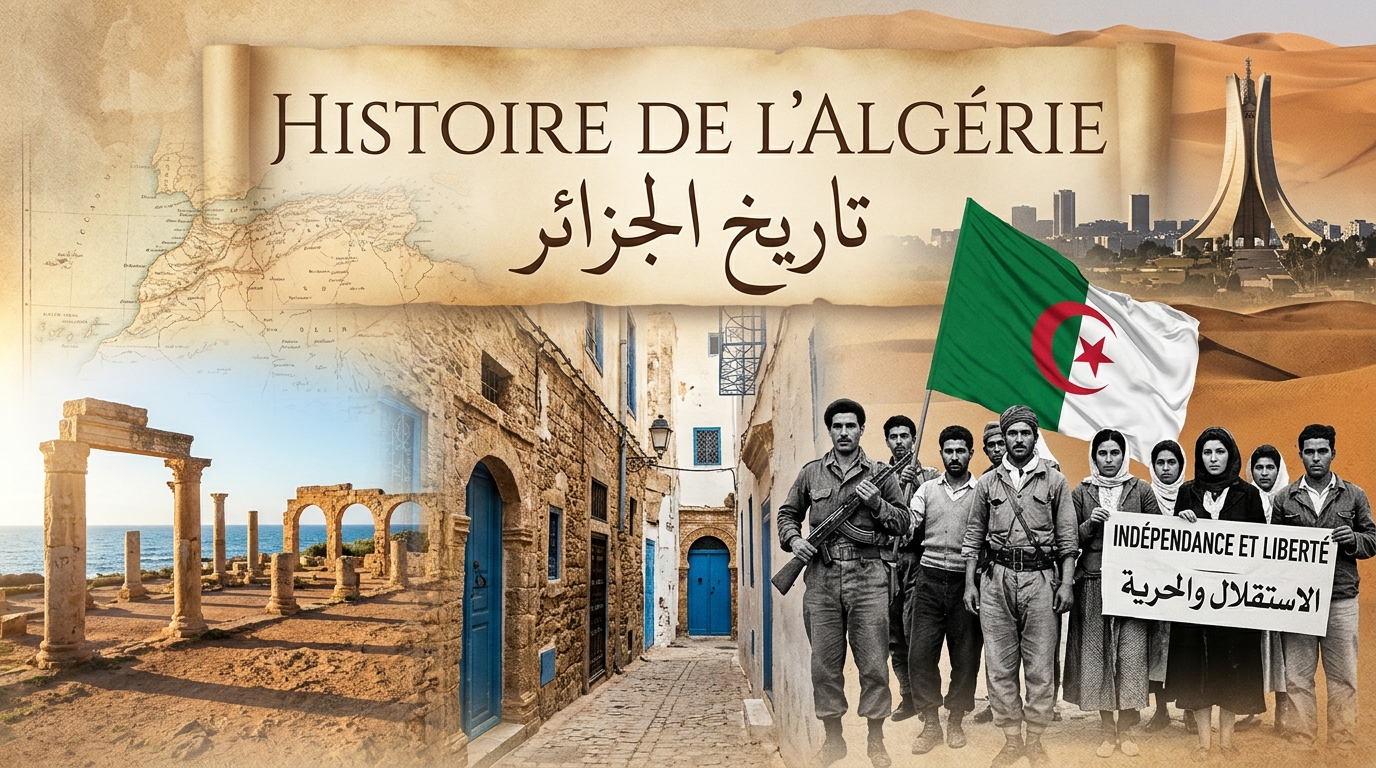
This module covers the history of Algeria from ancient times – that is, the ancient history of Algeria – through to the modern and contemporary eras, examining the most significant civilisations that have shaped Algeria, the Islamic conquest, the crucial period of French colonial rule, and the course of the liberation struggle leading up to independence.
- Créateur de cours: Foued Djeddou
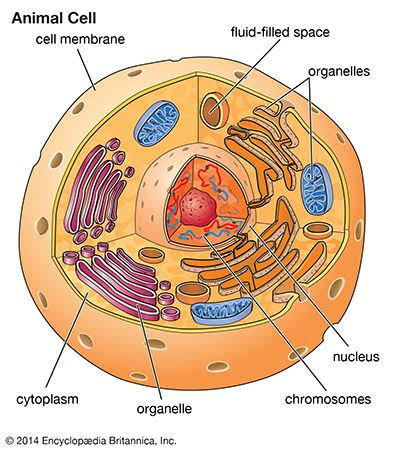
The Cytology module aims to provide first-year medical students with a basic understanding of the structure and functions of the cell. It helps students develop the fundamental knowledge needed to understand how cells are organized, communicate, grow, divide, and perform their essential functions, providing a foundation for further study of tissues, organs, and human physiology.
- Créateur de cours: Hayat Aouragh

Chemistry, the science hat deals with the properties, composition , and structure of substances (defined as elements and compounds), the transformations they undergo, and the energy that is released or absorbed during these processes. Every substance, whether naturally occurring or artificially produced, consists of one or more of the hundred-odd species of atoms that have been identified as elements.
- Créateur de cours: cherifa boubekri

- Créateur de cours: Djamel Belamri
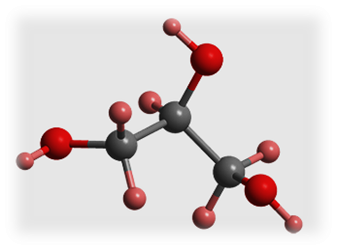
Biochemistry is the science that studies the molecular composition of living organisms and the chemical reactions that ensure the proper functioning of cells and the body. The module mainly covers the structure of macromolecules (carbohydrates, lipids, proteins, and amino acids), their metabolism, enzymes, and nucleic acids (structure and properties). It provides an understanding of the molecular basis of normal body functions and their relationship to physiology, pathophysiology, and human diseases.
- Créateur de cours: Wassila DENDOUGA