 verification-de-la-conformite-768x432.jpg
Faculté : Sciences et Technologie
Département : Architecture
Filière : Métiers de la ville
Domaine : Architecture, Urbanisme et Métiers de la ville
Spécialité : Management des Projets de Construction (MPC)
Public cible : 3ème année licence, LMD
INTITULE : ORGANISATION DE CHANTIERS
L'organisation d'un chantier est une étape cruciale pour la réussite d'un projet de construction. Elle implique une planification méticuleuse et la coordination de nombreux acteurs, des matériaux, des équipements et des ressources humaines. Il s'agit d'un processus complexe qui requiert une gestion efficace de la sécurité, des coûts, des délais et de la qualité.
- Créateur de cours: Walid Mahfoud DJENAIHI
- Créateur de cours: safa daich
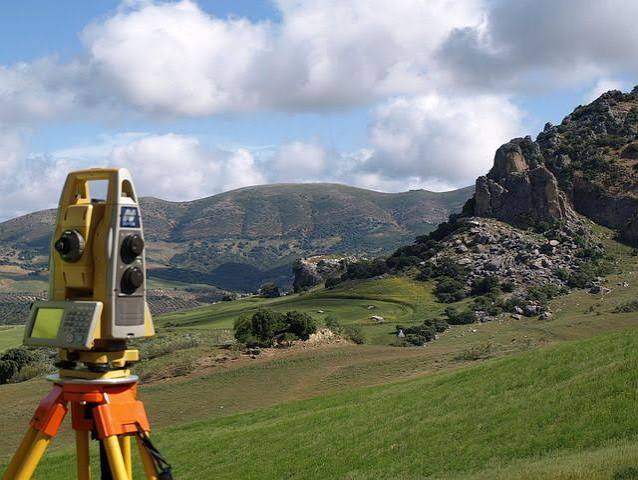
Topography is the study, description, and mapping of the shape, configuration, and physical features of a land surface. It covers both natural features (such as mountains, valleys, rivers, hills, and plains) and man-made structures (such as roads, buildings, and canals).
- Créateur de cours: Moufida Sebti

Objectif général du la matière d’enseignement :
La maitrise de l’organisation opérationnelle du travail dans les usines, la planification
de grands projets, l’organisation d’activités de services, ainsi La maitrise de
l’allocation dynamique des ressources. La maitrise de de la coordination de
l’exécution et de l’utilisation cohérente des ressources nécessaires.
Objectifs d’apprentissage :
Etre capable de diviser et d’ordonner les tâches retenues pour la réalisation d’un
projet, d’un ouvrage ou d’un élément d’ouvrage toute en respectant l’ordre
chronologique et logiques de ces tâches ainsi le respect des contraintes imposées par
le client. Capable de régler le problème des conflits (ressources limitées) et de
coordonner entre les différents corps d’états.
- Créateur de cours: Hakima NECIRA
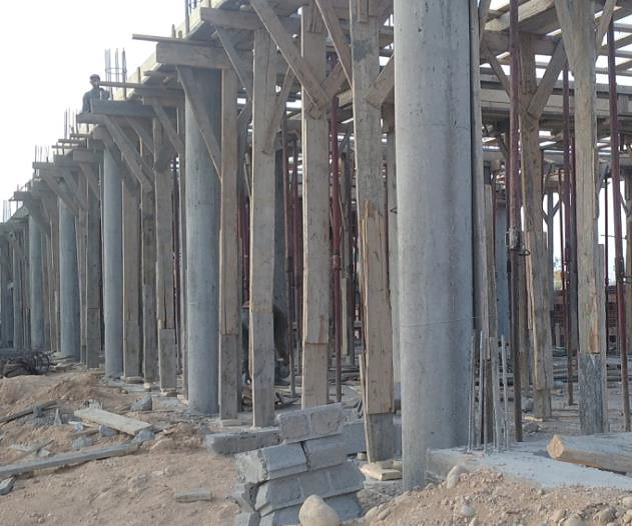
For the 1st semester, the work based on the following points:
• Collection of information related to the chosen sector;
• Collection of data and information related to the project "case study";
• Analysis of the chosen project on several levels:
- The architectural level
- The technical level
- The project management level.
The objectives defined for the collection of data and information related to the ongoing project are as follows:
- Raise student awareness of professional life through communication.
- Guide students toward the practical discovery of managing ongoing projects.
- Identify and become familiar with all documents, both plans and administrative documents.
- Créateur de cours: nadia femmam

- Development of students' interest in the use of information and communication technologies.
- Use these technologies as tools for validating acquired knowledge and as a method for developing the end-of-study project.
- Créateur de cours: Chafik Mahaya

During the first semester, the work will focus on the following points:
- Gathering information related to the chosen sector;
- Collecting information related to the "case study" project;
- Analyzing the selected project from various perspectives:
- The architectural aspect;
- The technical aspect;
- The project management aspect.
- Créateur de cours: yasmina besbas
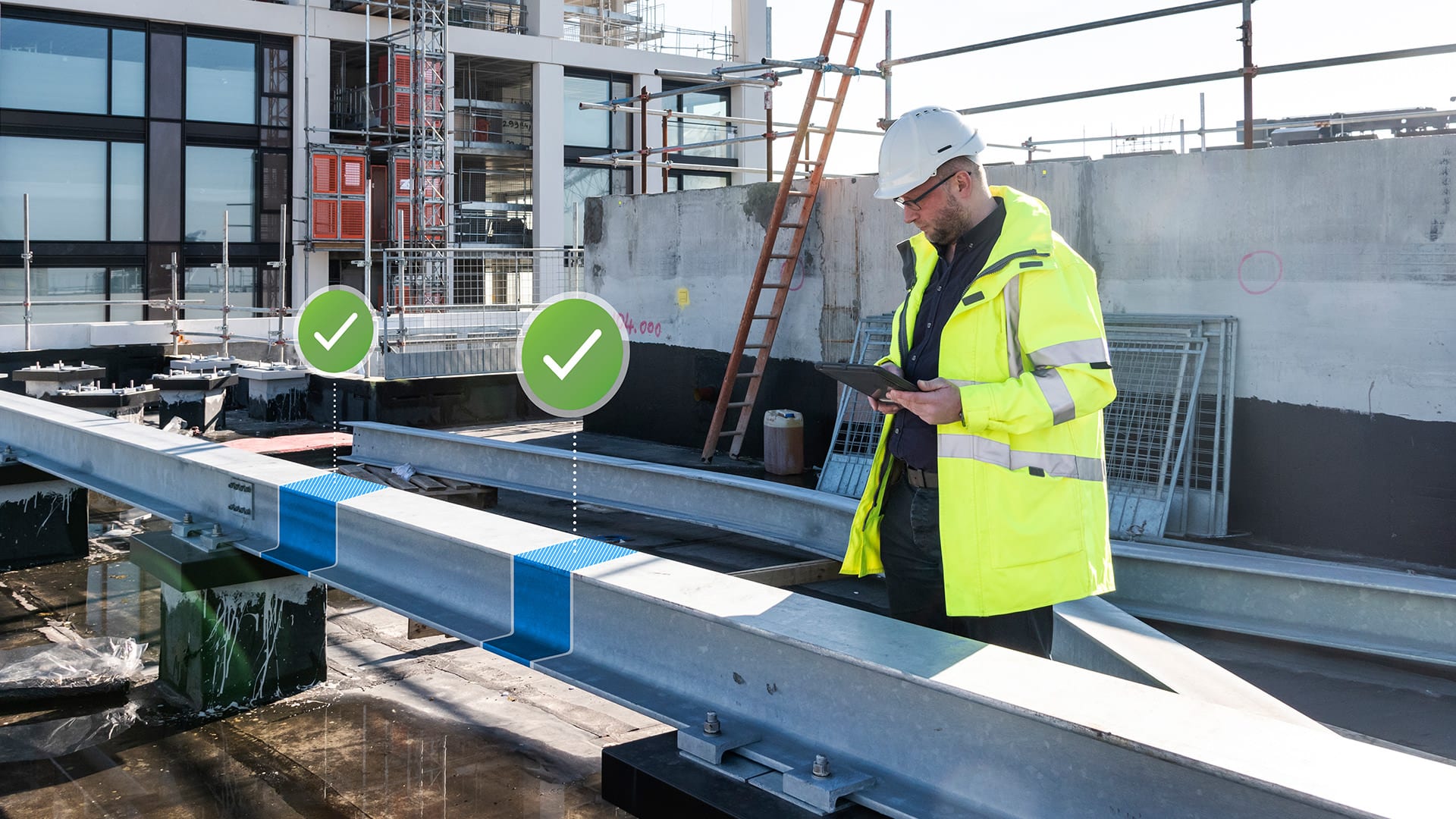
This course aims to develop the student's knowledge in the domain of quality and its Implementation tools within the project's construction process.
- Créateur de cours: yasmina besbas

The content of the Management 01 lectures covers the concepts of construction project management throughout the first semester through a scientific sequence that begins with a general introduction, the evolution of management theories, and their functions and processes. The lectures then move on to review the history and present of project management, provide an overview of it, and explain the phases of the project life cycle and its framework. They also address specialized topics, including stakeholder management, organizational culture, and project initiation phases, leading up to an overview of planning and project scope planning to enable students to understand the organizational and technical aspects of project management efficiently.
- Créateur de cours: Wafia Merzougui